What Are The Pros and Cons of Independent Living in Florida?
Weighing the pros and cons of independent living in Florida? Explore lifestyle, cost, and care factors to help you decide with confidence.

Ruby M. · Senior Living Writer
· 8 min read

Table of Contents
- What is Independent Living?
- Who Is Independent Living Best For?
- What Are The Pros of Independent Living in Florida?
- Maintenance-Free Living
- Social Activities and Community
- Amenities & Conveniences
- Safety & Security
- Florida's Retirement-Friendly Lifestyle
- What Are The Cons of Independent Living in Florida?
- Monthly Expenses
- Limited health and personal care services
- Optional Services Additional Fees
- Decreased Suitability for Older Adults with Growing Care Needs
- What Are The Benefits of Transitioning Early to Independent Living?
- What Should You Consider Before Moving to Florida?
- Tips for Transitioning in Independent Living
- Frequently Asked Questions
- Choose The Right Community For You
One of the most significant decisions a retiree will make is whether to live independently or with assistance. This is why it is so important to consider the pros and cons of independent living in Florida.
Each year, Florida lures thousands of retirees to the sunshine, tax breaks and active senior communities. But independent living isn't a one-size-fits-all solution and it pays to know what you're signing up for before you make a move.
This guide breaks down what independent living really means, who it's designed for, and the honest upsides and downsides you should know.
Tip
Key Takeaways:
1. Pros include maintenance-free living, built-in social opportunities, resort-style amenities, and Florida's year-round warm weather.
2. Cons include monthly costs, limited personal care services, and extra fees for optional add-ons.
3. Independent living works best for active seniors who don't need daily medical or personal care support.
What is Independent Living?
Independent living is a housing option for active, healthy seniors who want to live on their own terms, without the responsibility of homeownership. Typically, residents live in private apartments or villas within a larger community, surrounded by peers at a similar stage of life.
These are communities for seniors and include everything from dining venues and fitness centers to game rooms and social calendars. Residents can use their time for hobbies, friendships and travel, while the staff handles maintenance, landscaping and repairs instead of chores.
Unlike assisted living, independent living typically does not provide hands-on personal care or medical supervision. It's a lifestyle choice first, about convenience, community and freedom.
Who Is Independent Living Best For?
It’s usually a good fit for seniors who are still active, mobile, and mostly able to take care of themselves day to day. If you can bathe, dress, take medications, and do other activities of daily living without help, this lifestyle might be a good fit.
It also appeals to retirees who want to downsize their lives. People often move to smaller homes to reduce maintenance duties, avoid the upkeep of a large house, and enjoy the benefit of an instant social network. Most adults move into independent living not because they need more care but because they want more freedom, connection, and convenience in their day-to-day lives.
Some communities are part of a Continuing Care Retirement Community, or CCRC, which means that residents can move into higher levels of care later on the same campus if their needs change over time.
What Are The Pros of Independent Living in Florida?
Before diving into the pros and cons of independent living in Florida, it's important to understand what makes this lifestyle so attractive to so many retirees in the first place. These are the primary benefits.
Maintenance-Free Living
No more mowing grass, repairing a leaky roof, or scheduling air conditioning repairs. In an independent living community, the staff does the groundskeeping and maintenance (and often housekeeping, too). That frees up the time and brainpower for the things you really want to do, be it travel, gardening or just chilling out.
If you enjoy traveling, then this lock-and-leave lifestyle is very appealing. When you are away for weeks, you feel safe knowing your home is well cared for.
Social Activities and Community
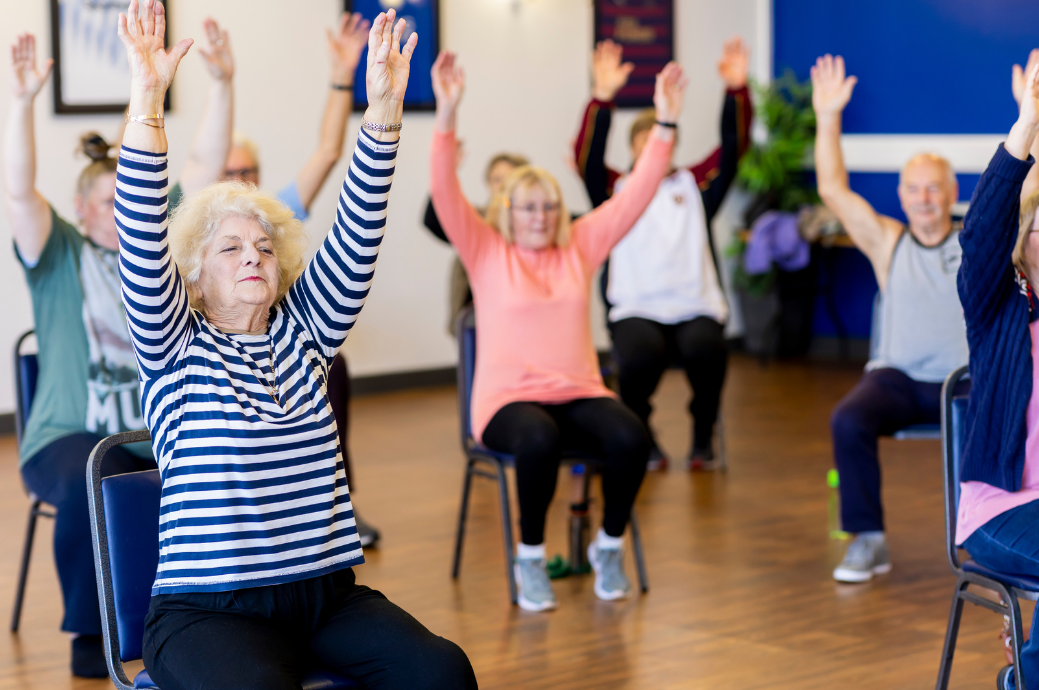
Isolation is a real risk for seniors living alone, and independent living is a direct way to combat it. There are constant social activities offered by communities, including book clubs, art classes, game nights, and group outings. There are opportunities to meet neighbors, make friends, and stay active.
This built-in social network is for many residents one of the most treasured aspects of the transition, providing companionship that is more difficult to find living alone.
Amenities & Conveniences
Florida independent living communities offer resort-style amenities. Think swimming pools, fitness centers, on-site dining with chef-prepared meals, beauty and barber shops, and scheduled transportation for errands and appointments. These conveniences eliminate the stress of daily life and add an extra measure of comfort to everyday living.
Many communities also offer wellness programs, and even spa services, to help make self-care easier to work into the everyday routine.
Safety & Security
Safety for seniors is the number one concern in independent living communities. Features like emergency call systems, secure entry points, and on-site staff provide added peace of mind for residents and their families. Florida communities also brace for seasonal weather threats, with resilient infrastructure and emergency procedures ready for hurricane season.
Florida's Retirement-Friendly Lifestyle
Florida has no state income tax, mild winters, and an endless supply of outdoor activities year-round. Add in a host of retirement communities and easy access to arts, dining, and entertainment, and it's no wonder Florida continues to be one of the nation's most popular retirement destinations.
What Are The Cons of Independent Living in Florida?
Like any lifestyle, independent living comes with its own trade-offs. Here's what to weigh on the other side of the ledger.
Monthly Expenses
Living independently is not inexpensive, and monthly fees can accumulate fast, depending on the location, size of the unit, and amenities. Be sure to compare pricing between communities and weigh this cost against what you would be spending on a mortgage, property taxes, maintenance and utilities.
Limited health and personal care services
Independent living isn't built for daily medical care or hands-on help with things like bathing or taking medications. As your health needs increase, eventually you may need to move to assisted living or another level of care, whether in the same community or somewhere else.
Optional Services Additional Fees
Additional services such as extra housekeeping, guest meals and special wellness classes may be priced above the basic monthly fee. Looking at what’s in and what’s optional can help avoid budget surprises down the road.
Decreased Suitability for Older Adults with Growing Care Needs
For seniors who already need regular assistance, independent living isn't a great fit to begin with. Often these situations are better solved long-term with assisted living, or a continuing care community that has higher levels of care built in.
What Are The Benefits of Transitioning Early to Independent Living?
Many people think of independent living as a last resort, something you consider only after a health setback. Actually, it works better if you move in while you're still healthy and active. You get first pick of available residences, more energy to take advantage of the amenities, and more time to develop friendships before you may need additional support.
If you select a CCRC when you're first on your own, you’ll also lock in more predictable long-term costs. If your needs change down the road, you already have a plan in place, taking a lot of the stress and uncertainty out of an unplanned move.
What Should You Consider Before Moving to Florida?
Consider the cost of living, including housing, property taxes, and insurance, which can vary greatly by region, before you make the move.
The lack of a state income tax in Florida is a real benefit, but daily expenses can still be a budget buster depending on where you want to live.
Another thing you need to plan around is the weather. Living in Florida, you have seasonal storms and hurricane season, so it helps to have a community with good emergency preparedness and resilient infrastructure.
Lastly, think about access to healthcare, both now and in the future, and whether a community has a plan for higher levels of care if your needs change.
Tips for Transitioning in Independent Living
Start early. Research communities well in advance of your need to move so that you have time to compare locations, pricing, and amenities.
Downsize gradually. Don't do everything at once. Break it down into stages so it doesn't seem quite so overwhelming.
Visit more than once. Tour at different times of day to get a real feel for the community's tempo and vibe.
Keep in touch. Keep in touch with family and friends. Invite them to visit your new home.
Get in early. In the first few weeks, join a club, class, or activity to start making friends.
Frequently Asked Questions
Is independent living equivalent to assisted living? Nope. Independent living is for active seniors who don’t require daily personal care, while assisted living assists with bathing, dressing, and medication.
What’s the cost of independent living in Florida? Costs will vary by community, location, and size of unit. Most communities have a monthly fee that covers your housing, amenities, and some services, with a few additional services you can choose to pay for separately.
What if my needs change and I want to go to assisted living? Many independent living communities, especially those that are set up as CCRCs, offer a continuum of care, which means residents can move to a higher level of support on the same campus.
What features are normally included? Amenities vary by community but often include dining venues, fitness centers, pools, transportation services, and social activities.
Is Florida a good state to live independently? Florida’s warm weather, no state income tax, and variety of senior communities make it a popular choice. Still, it’s important to consider hurricane season and regional variations in cost of living.
Choose The Right Community For You
The decision to live independently in Florida depends on your health, budget, and lifestyle goals. For many active seniors, the freedom, community, and convenience of this lifestyle can be appealing, but the costs and lack of care services should be carefully considered.
Independent living should mean more freedom, not more guesswork. Senior Living Communities connects you with licensed, verified communities built for active, independent seniors, so you can compare real options, not just ads. Not sure where to start? Use our Matching Tool and take our free 2-minute quiz to get matched with communities based on care needs, budget, and location. Ready to tour? Our Tour Companion will help you build a custom checklist of questions that matter most to your loved one, so nothing gets missed during a visit.
You can check out our guides below for tips on evaluating amenities, costs, location, and services.