
What Is Independent Living in Florida? The Complete Guide
Explore independent living in Florida, from costs and amenities to financial help. Everything seniors and families need to choose with confidence.

Ruby M. · Senior Living Writer
· 9 min read
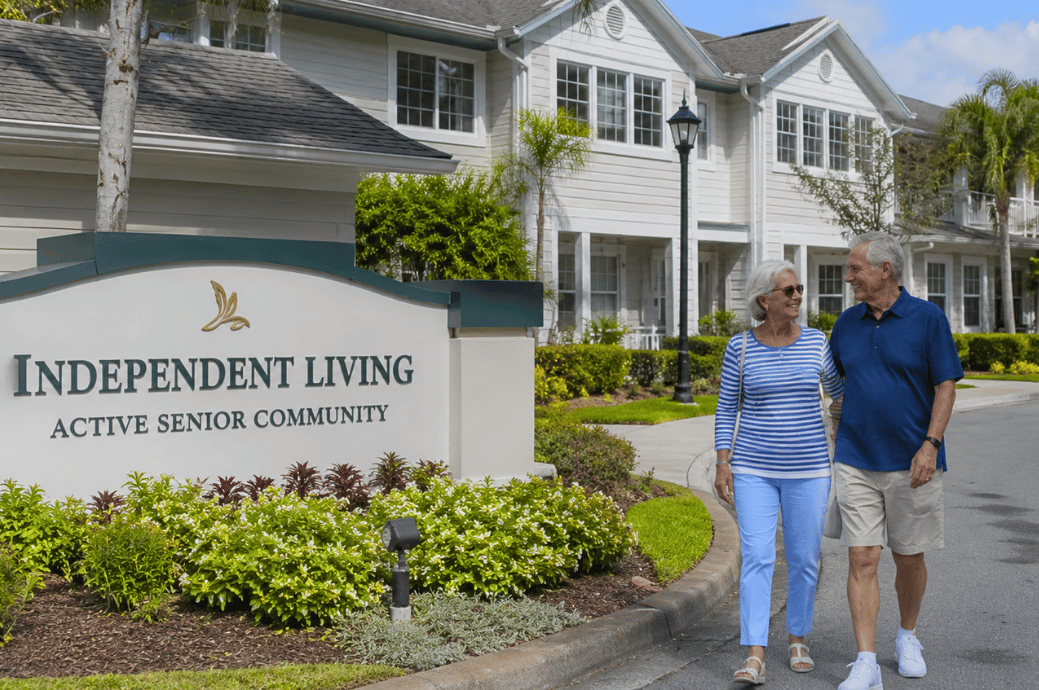
Table of Contents
- What Is Independent Living?
- What Are The Types of Independent Living in Florida?
- 1. Retirement Communities
- 2. Senior Apartments
- 3. Low-Income Housing
- 4. Continuing Care Retirement Communities (CCRCs)
- What Are Independent Living Services and Amenities?
- Meals and Home Maintenance
- Recreational, Social, and Educational Activities
- Transportation
- Onsite Amenities
- How Much Does Independent Living in Florida Cost?
- What Are Financial Assistance Options for Independent Living?
- Who Is Independent Living in Florida a Good Fit For?
- How to Choose an Independent Living Community in Florida?
- Social and Recreational Opportunities
- Convenience Services and Amenities
- Dining Services
- Transportation Services
- Housekeeping and Maintenance
- Safety and Wellness
- Frequently Asked Questions
- Ready to Find the Right Community?
Independent living in Florida gives active seniors a low-maintenance lifestyle without giving up their freedom. Many older adults picture retirement as a time to relax, enjoy hobbies, and spend more time with family. But chores like cooking and home upkeep can get in the way of that vision.
That's where independent living comes in. These communities let seniors keep their independence and privacy while offering services and amenities that make everyday life easier.
This guide breaks down what makes independent living different from other senior living options. You'll learn about costs, services, and how to pick the right fit for you or a loved one.
What Is Independent Living?
Independent living communities go by many names, including active adult, 55+, and retirement communities. They give healthy seniors the freedom to enjoy a social lifestyle, plus conveniences like housekeeping, prepared meals, and transportation.
Most residents in these communities are between 74 and 75 years old. Housing options range from private homes to apartments and suites, and residents get the peace of mind that comes with 24-hour security and staff on call.
Unlike assisted living, independent living doesn't focus on medical care or help with daily tasks like bathing and dressing. Some communities do have onsite medical staff available if needed. This makes it a strong fit for self-reliant seniors who want community living without daily nursing care.
What Are The Types of Independent Living in Florida?
Seniors often look to simplify their living situation as they age. If you're still active and capable, but want the company of peers, independent living in Florida offers several paths to get there.
1. Retirement Communities
Retirement communities offer the fewest services, making them the most independent option available. These neighborhoods are built for active retirees who want to live near people their own age. You may also hear them called active adult, age-qualified, or age-restricted communities, usually with a minimum age of 55 or 62.
Homes can be single-family houses, condos, townhomes, or modular buildings. Most residents own their homes, though renting from an individual owner or through a co-op is sometimes an option. Many communities charge HOA fees for upkeep of shared spaces, and upscale communities may require a paid membership for amenities.
2. Senior Apartments
Senior apartments are often part of a larger facility offering multiple levels of care, from independent living to assisted living and even memory care. They work well for seniors who can still bathe, dress, manage medications, and handle daily tasks on their own.
If a resident later needs help with medication or personal care, bringing in an in-home care company lets them stay in their independent living apartment longer. This keeps them independent in name, even as their needs grow slightly.
3. Low-Income Housing
Also called affordable senior housing or government-subsidized housing, this option works like standard senior apartments but with rent below market rate. The U.S. Department of Housing and Urban Development (HUD) subsidizes these rental rates.
Each housing program has its own financial and functional requirements, and these vary by state. Waiting lists are common, so it helps to apply early if you think you might qualify.
4. Continuing Care Retirement Communities (CCRCs)
Also known as life plan communities, CCRCs combine independent living, assisted living, and nursing care in a single location. Residents enjoy an active, social lifestyle now, with the security of higher levels of care available later if health needs change.
This all-in-one setup means residents don't have to move to a new facility as their care needs evolve. It's a popular choice for seniors who want to settle into one home for the long haul.
What Are Independent Living Services and Amenities?
Since many people choose independent living for its convenient services, it helps to know what matters most to you. Maybe you want meals cooked for you, a packed social calendar, or on-site fitness classes. Most communities offer at least one of the amenities below, though not every community offers all of them.
Meals and Home Maintenance
Dining is one of the biggest draws for people considering independent living. Most communities offer a dining package with meals prepared by culinary chefs and registered dietitians. Some use meal credit programs with a set number of meals each month, while others offer an a-la-carte menu.
Housekeeping and maintenance are also common perks. Many communities provide weekly cleaning, laundry service, and on-call technicians for repairs. Groundskeepers handle lawn care and landscaping, so residents don't have to.
Recreational, Social, and Educational Activities
Retirement is the perfect time to explore new hobbies, stay active, and enjoy life at your own pace. Independent living communities make that easy by offering fitness classes like yoga, tai chi, water aerobics, and walking clubs that help residents stay healthy while having fun. Many communities also host classes in cooking, painting, dance, and technology, giving residents plenty of opportunities to learn new skills and meet people who share their interests.
Beyond fitness and learning, there's always something happening on the social calendar. Residents can join happy hours, book clubs, movie nights, wine tastings, and local outings without worrying about organizing the details themselves. With so many activities to choose from, it's easy to make new friends, stay connected, and enjoy an active, fulfilling retirement.
Transportation
Getting around without the hassle of driving is a big perk for many residents. Most communities offer scheduled transportation for errands, medical appointments, and shopping trips. Some also arrange group outings to local attractions, restaurants, or events, so residents can get out and about without worrying about parking or gas.
Residents who still enjoy driving can usually keep their own car, since most communities offer on-site parking. This flexibility means residents can choose the option that suits them best, whether that's driving themselves or relying on the community's transportation service.
Onsite Amenities
Convenience is a major selling point of independent living. Common spaces like fireside living rooms, sunrooms, and patios give residents a place to relax with friends and family. Fitness centers and beauty salons help residents stay active and feel their best without leaving the property.
Many communities also include game rooms, theaters, libraries, and pools. Some go further, with an onsite general store, community garden, or a chapel for worship.
How Much Does Independent Living in Florida Cost?
Independent living typically costs between $2,500 and $6,000 per month in the U.S. as of 2026. It's the most affordable senior living option since it doesn't include personal care services. Some communities, especially CCRCs, charge an upfront entry fee in exchange for guaranteed access to higher care levels down the road. Note that Medicare and Medicaid don't cover independent living costs.
Florida's overall cost of living sits about two points below the national average, with a cost-of-living index of 97.9 (100 equals the national average). Groceries run about seven points above average, but housing and median home prices come in lower, even though rent tends to run higher. The median home price in Florida is around $215,300, and average rent runs about $1,175 a month.
Costs vary a lot depending on where in Florida you're looking. A community near Miami's country clubs will cost far more than a small-town option elsewhere in the state. It pays to research a few different areas before settling on a budget.
What Are Financial Assistance Options for Independent Living?
Many seniors live on a fixed income, and programs like Social Security often don't cover the full cost of housing and daily expenses. HUD helps by subsidizing senior housing complexes, which lowers rent for qualifying low-income seniors. You can search HUD's resources online to find subsidized senior housing in your area, though be ready for a wait since these complexes often have long lists and strict eligibility rules.
The Administration for Community Living (ACL) also puts part of its yearly budget toward senior service programs. These funds support home and community-based services at local senior centers, including meal programs, fitness classes, transportation, social activities, and job assistance.
Who Is Independent Living in Florida a Good Fit For?
With so many senior living options out there, it helps to know exactly who independent living suits best. Consider this list if you're trying to decide whether it's the right choice for you or someone you love:
Seniors who don't need help with daily activities like bathing, dressing, or managing medications
Seniors who don't need regular medical assistance
Seniors who want help with cooking and home upkeep, but aren't ready to give up their independence
Seniors who live alone or feel isolated and want more social connection
Seniors who are ready to slow down and enjoy a more convenient lifestyle
Seniors who want the reassurance of 24-hour staff availability, just in case
How to Choose an Independent Living Community in Florida?
Finding the right community takes time and a bit of homework. Amenities, services, staff, and pricing can vary widely from one community to the next, even within the same city. Use the checklist below, built with input from senior living experts, to guide your search.
Social and Recreational Opportunities
A packed activity calendar is one of the biggest draws of independent living. Look for a variety of scheduled events that match your interests, whether that's fitness classes, book clubs, or day trips.
Convenience Services and Amenities
Think about which day-to-day tasks you're most excited to hand off. Maybe it's housekeeping and laundry, or maybe it's easy access to a tennis court each morning. Knowing your must-haves makes comparing communities much easier.
Dining Services
Food matters, and residents want flexibility around meal times, menu choices, and dining settings. Look for communities that offer variety and can adjust as your preferences change over time.
Transportation Services
Some seniors want to keep driving their own car, while others are happy to skip the cost and hassle of vehicle upkeep. Ask each community what transportation options they offer for errands, appointments, and outings.
Housekeeping and Maintenance
After years of yard work and home repairs, most seniors are ready for a hands-off lifestyle. Ask about the frequency of cleaning services, plus what's included, like linens, vacuuming, and dusting.
Safety and Wellness
Safety should be near the top of your checklist. Ask staff how they handle emergencies like power outages, storms, or medical situations, and what they do to support residents' overall health and wellness.
Frequently Asked Questions
What is the difference between independent living and assisted living? Independent living is for seniors who can manage daily tasks like bathing, dressing, and medication on their own. Assisted living provides hands-on help with those same tasks for seniors who need more support.
Does Medicare or Medicaid cover independent living in Florida? No. Independent living is considered a lifestyle choice rather than medical care, so Medicare and Medicaid don't cover the cost. Some long-term care insurance policies may offer partial coverage, so it's worth checking your policy.
How do I know if independent living is right for my parent? Independent living works well for seniors who don't need daily medical care or help with personal tasks, but want less responsibility around cooking and home maintenance. If your parent needs more hands-on support, assisted living may be a better fit.
Can I bring my own furniture to an independent living community? Yes, in most cases. Since residents typically live in private apartments or homes within the community, they can usually decorate and furnish the space as they like.
Is there a minimum age requirement for independent living? Most communities set a minimum age of 55 or 62, though this varies. Some communities allow younger spouses or partners to live with an age-qualified resident.
Ready to Find the Right Community?
Whether you're planning for yourself or helping a loved one, finding the right independent living community starts with understanding your options.
Independent living should mean more freedom, not more guesswork. Senior Living Communities connects you with licensed, verified communities built for active, independent seniors, so you can compare real options, not just ads. Not sure where to start? Use our Matching Tool and take our free 2-minute quiz to get matched with communities based on care needs, budget, and location. Ready to tour? Our Tour Companion will help you build a custom checklist of questions that matter most to your loved one, so nothing gets missed during a visit.