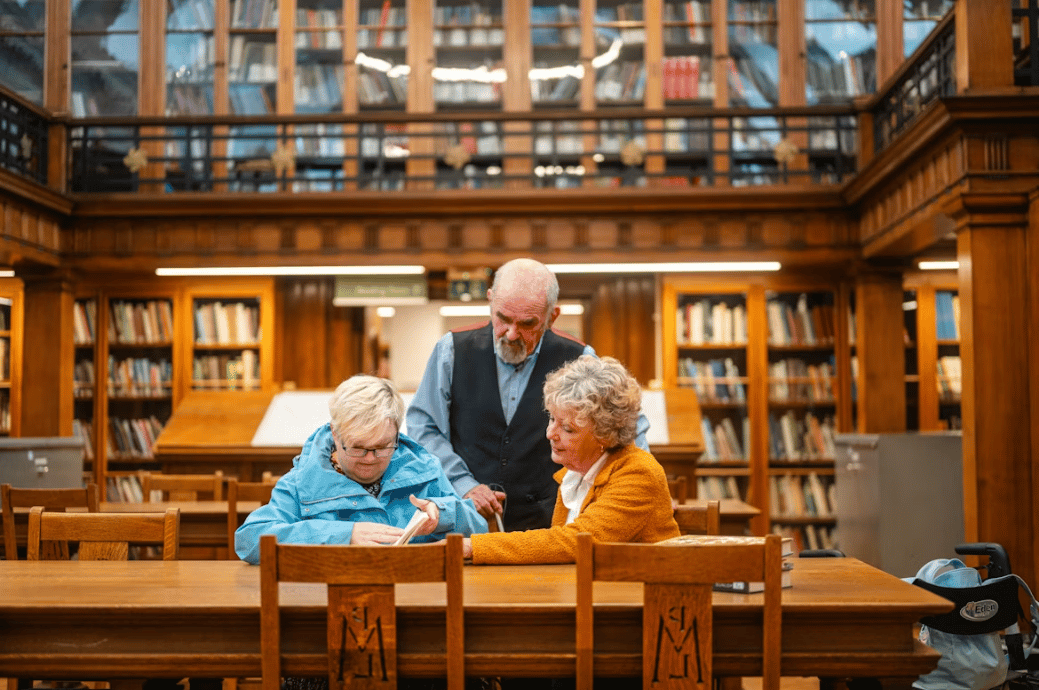
What Are Veterans Benefits for Senior Living?
Veterans benefits can help pay for senior living and care. Learn VA Aid and Attendance, pensions, Medicare coordination, and Florida resources.

Ruby M. · Senior Living Writer
· 10 min read

Table of Contents
- Which VA Benefits Can Help Pay for Senior Living?
- VA Aid & Attendance
- Housebound Allowance
- VA Pension
- VA Health Care Long Term Care Service
- What Are VA Aid and Attendance Benefits?
- What Does Aid and Attendance Cover?
- Who Qualifies?
- Eligible Care Settings
- How Aid and Attendance Helps Offset Costs?
- What Types of Senior Care Can Veterans Get?
- Independent Living
- Assistance Living
- Memory Care
- Nursing Homes
- Home Care
- Adult Day Health Care Programs
- Can You Use VA Benefits With Medicare And Medicaid?
- How the Programs Differ
- When Benefits Can Be Combined
- Common Misconceptions
- Veterans Benefits for Florida Senior Living
- Florida VA Medical Centers
- Florida State Veterans' Homes
- Local Veteran Service Officers (VSOs)
- Florida Medicaid Considerations
- How to Apply for VA Benefits for Seniors?
- Frequently Asked Questions
- Maximize Your Benefit Plan
Veterans benefits can help make senior living and senior care more affordable for qualified veterans and their families. Whether you're planning for yourself, helping a spouse or assisting an aging parent, knowing what VA programs are available can assist you in making confident financial and care decisions before choosing a senior living community.
Choosing the right care is often a balancing act between health needs, personal preferences and a realistic budget. The Department of Veterans Affairs offers many valuable programs for veterans that can help cover some of these costs. Sadly, too many families don't know these benefits are available or think they won't qualify.
Tip
Key Takeaways:
1. Veterans benefits may help reduce the cost of assisted living, home care, memory care, and nursing home services for eligible veterans and surviving spouses.
2. The VA offers several programs, including Aid and Attendance, Housebound benefits, VA Pension, and long-term care services through VA Health Care.
3. Medicare, Medicaid, and VA benefits each cover different services, and in many situations they can work together.
4. Florida offers additional resources through VA medical centers, State Veterans' Homes, and local Veteran Service Officers.
Which VA Benefits Can Help Pay for Senior Living?
The Department of Veterans Affairs has several programs that can help eligible veterans get the care they need later in life. Each benefit has a different function, so it's important to understand how they work together.
VA Aid & Attendance
Aid and Attendance is one of the VA's most valuable programs for older veterans who need help with daily living activities such as bathing, dressing, eating, toileting, or moving around. Instead of paying a senior living community directly, the benefit increases the eligible veteran's monthly pension to help pay for qualified care costs.
Many families use Aid and Attendance to help offset the cost of assisted living, memory care, or in-home caregiving services.
Housebound Allowance
Veterans who are primarily confined to their homes because of a permanent disability may be eligible for the Housebound benefit, which provides additional monthly financial support. It's similar to Aid and Attendance, but the qualifications are different, and you usually can't get both benefits at the same time.
This could be a good way to generate income for homebound veterans who don't need help with activities of daily living.
VA Pension
VA Pension is a monthly, need-based benefit for wartime veterans who meet military service, age, disability, and income requirements. The pension provides a financial base, but there are programs such as Aid and Attendance or Housebound that can increase the monthly payment for qualifying veterans.
Eligibility is based on several factors, so veterans should check income and asset limits before applying.
VA Health Care Long Term Care Service
The VA also offers access to long-term care services through its health care system. Veterans may receive services such as the following, depending on clinical need, availability, and eligibility:
Skilled nursing care
Home health care
Adult day health care programs
Palliative and hospice care
Respite services for family caregivers
Community nursing home services
Not every veteran is eligible for all services, and availability can vary from VA medical center to VA medical center and community to community.
What Are VA Aid and Attendance Benefits?
Aid and Attendance is often the first Veterans benefit families ask about because it can help offset monthly care costs significantly.
What Does Aid and Attendance Cover?
Aid and Attendance is for veterans and eligible surviving spouses who need regular assistance with activities of daily living or are substantially confined due to illness or disability.
The program doesn't cover specific medical costs, but it does give participants additional money each month that they can use for qualifying health care expenses.
Such flexibility allows families to choose the type of care that best fits their circumstances, not one particular setting.
Who Qualifies?
Eligibility depends on several factors, including military service during a qualifying wartime period, financial eligibility, and medical need.
Usually, applicants must show that they require assistance with daily activities, are bedridden, are living in a nursing home due to a disability, or are severely visually impaired. Surviving spouses may also be eligible if they meet VA's eligibility requirements.
Eligible Care Settings
Aid and Attendance can help cover the cost of care you receive in a variety of settings, including:
Assisted Living Facilities
Memory care facilities
Private Residences with In-Home Care
Nursing homes
Other qualified long-term care facilities
This flexibility is of value to families who wish to remain at home for as long as possible before transferring to residential care.
How Aid and Attendance Helps Offset Costs?
As the level of care increases, the cost of senior care typically increases gradually. Aid and Attendance can help fill some of that financial gap, making professional care more affordable and relieving some of the burden on family caregivers.
While the benefit doesn't usually cover the full cost of senior living, it can help reduce monthly out-of-pocket costs when used along with other financial resources.
What Types of Senior Care Can Veterans Get?
Every veteran's care journey is unique. While some seniors stay independent for years, others need more and more support as their health changes.
If families understand the variety of care options available and how to maximize Veterans benefits, they can make the choice of setting easier.
Independent Living
Independent living communities are intended for active older adults who do not need personal care services daily. Residents enjoy maintenance-free housing, social opportunities, dining services, transportation, and recreation activities.
The VA typically doesn't pay for basic costs of independent living, but depending on the circumstances, a veteran may be eligible for some supportive services.
Assistance Living
Assisted living offers assistance with daily tasks while enabling residents to keep as much independence as possible.
Commonly used services are:
Medication reminders
Help with bathing
Assistance with clothing
Edibles
Administrative matters
Social programming
Aid and Attendance may help eligible veterans reduce assisted living expenses.
Memory Care
Specialized support is available for people living with Alzheimer's disease and other types of dementia through memory care communities.
The communities usually consist of:
Secure environments
Staff trained in dementia care
Structured daily routines
Cognitive engagement programs
Enhanced supervision
Extra pension benefit of Aid and Attendance may help cover memory care costs for qualifying veterans.
Nursing Homes
Skilled Nursing Facilities (SNF) offer 24-hour nursing care for those with serious medical problems.
Veterans may be eligible for nursing home services through VA Community Living Centers, contracted community nursing homes, State Veterans' Homes, or private facilities in VA programs.
Home Care
Many veterans want to remain in the comfort of their own homes as long as they can.
Home care services can include:
Personal care
Homemaker assistance
Skilled nursing
Physical therapy
Occupational therapy
Companion care
Many families view home care with Aid and Attendance as a way to delay or prevent a move into residential care.
Adult Day Health Care Programs
Adult day health centers offer medical monitoring, rehabilitation services, meals, therapeutic activities, and respite for caregivers during the daytime hours.
These programs offer regular breaks and additional support to family caregivers, helping veterans remain in their homes.
Can You Use VA Benefits With Medicare And Medicaid?
Understanding how Veterans benefits work with Medicare and Medicaid can assist families in building a stronger financial plan for long-term care. While there may be some overlap, these programs are different and have different eligibility requirements and purposes.
How the Programs Differ
The U.S. Department of Veterans Affairs provides benefits to those based on military service and eligibility. Medicare is a Federal health insurance program for people age 65 and older. Medicaid is a Federal and state program that helps with health care and long-term care services for people who are eligible and have limited income and assets.
Each program is different, and just because you are eligible for one does not mean you are eligible for another.
When Benefits Can Be Combined
In many cases, a veteran may be able to combine more than one program. For instance, a veteran might have Medicare for hospital and doctor care, and get a VA pension with Aid and Attendance to help cover personal care in an assisted living community.
Medicaid is also available, if a veteran qualifies, to help cover some long-term care costs that Medicare does not cover. Understanding how these benefits work together can lower your out-of-pocket costs and increase the range of services you can get.
Common Misconceptions
A big misconception is that Medicare will pay for long-term, ongoing custodial care. Medicare usually covers short-term skilled nursing care or rehab following a qualifying stay in the hospital. But it generally does not include assistance with activities of daily living over the long term.
Another myth is that all veterans are automatically eligible for VA long-term care benefits. Eligibility depends on military service, income, disability status, health care enrollment, and clinical need.
Veterans Benefits for Florida Senior Living
Florida has one of the largest veteran populations in the nation, so it's a great place to look for veteran-specific senior care resources. Some statewide programs can help you find health care, residential care, or help applying for benefits.
Florida VA Medical Centers
Florida VA medical centers offer eligible veterans primary care, specialty care, rehabilitation, geriatric services, mental health care, and long-term care programs. Many facilities also help coordinate community care when services aren't available in-house at the VA.
Veterans should contact the medical center that serves their area to learn what services are available locally.
Florida State Veterans' Homes
Florida offers State Veterans' Homes that provide skilled nursing and assisted living care for eligible veterans. These are communities built for veterans, often featuring programs that honor military service while delivering quality long-term care.
Admission requirements differ depending on location, and usually involve verification of eligibility and evaluation of medical needs.
Local Veteran Service Officers (VSOs)
Veteran Service Officers are one of the greatest resources available to veterans and their families. Accredited VSOs can tell you what benefits are available, help you fill out applications, gather supporting documents, and track the status of claims.
The VA application process can be complex, so working with an accredited VSO could help reduce mistakes and improve the overall experience.
Florida Medicaid Considerations
Florida Medicaid may help eligible residents pay for some long-term care services if they meet income and asset requirements. Some veterans are eligible for both Medicaid and VA benefits, but each program has its own eligibility rules.
Families planning for long-term care may want to talk with a benefits specialist or elder law professional to learn how the programs fit together.
How to Apply for VA Benefits for Seniors?
The process for applying for VA senior care benefits can be daunting at first, but once you break it down into manageable steps, it's much easier.
Step 1: Check Eligibility
First, check the military service requirements, wartime service, financial eligibility, and medical qualifications for the benefit you are looking for. Checking eligibility before filling in the paperwork can save valuable time.
Step 2: Gather Military and Medical Records
Applicants should be prepared to submit documentation that could support military service, discharge status, financial information, medical conditions, and care needs. Submit all documentation to avoid delays in the review process.
Step 3: Complete the Necessary VA Documents
The VA requires some forms depending on the benefit being claimed. Please carefully review each section before submitting your application to make sure there is no missing information that could cause a delay in processing.
Step 4: Work with an Accredited Veterans Service Officer
Many families feel the process is easier with professional assistance. Veteran Service Officers are permitted to offer free assistance, are aware of current VA requirements, and can help applicants avoid common mistakes.
Step 5: Be Ready for Processing Time
It can take a few months to get a VA claim reviewed, especially if they ask for additional documents from you. Applying before care becomes urgent gives families more choices when selecting a senior living option.
Frequently Asked Questions
Can surviving spouses receive VA Aid and Attendance? Yes. If you are the surviving spouse of a qualifying veteran, you may be eligible for Aid and Attendance if you meet the VA's financial and medical eligibility requirements.
Does VA Aid and Attendance go straight to the senior living community? No. The benefit is typically added to a qualifying recipient’s VA Pension every month and can be used for qualifying care expenses.
Can veterans receive home care instead of moving into assisted living? In many situations, yes. Depending on eligibility and local availability, veterans can receive home health services or use Aid and Attendance to help offset the cost of in-home care.
Do all assisted living communities accept residents using VA benefits? Many do, but the policies are different. Ask if the community has experience with VA-funded residents and if staff can help coordinate documentation.
Maximize Your Benefit Plan
Knowing Veterans benefits before choosing a senior living community can make a huge difference in what care options are available and how affordable it will be in the long run. VA Pension, Aid and Attendance, Housebound benefits, and VA Health Care programs can help eligible veterans and surviving spouses access the support they need, while limiting out-of-pocket costs.
Finding the right senior living community shouldn't feel like a full-time job. Senior Living Communities helps you cut through the noise with a list of licensed, verified communities that actually match what your loved one needs. Not sure where to start? Use our Matching Tool and take our free 2-minute quiz to get matched with communities based on care needs, budget, and location. Ready to tour? Our Tour Companion will help you build a custom checklist of questions that matter most to your loved one, so nothing gets missed during a visit.
Lead image by ucaslexander/Unsplash