What Is Memory Care? A Complete Guide for Families
Wondering what memory care is? Learn how it differs from assisted living, what it costs, and how to choose the right community for your loved one.

Ruby M. · Senior Living Writer
· 8 min read
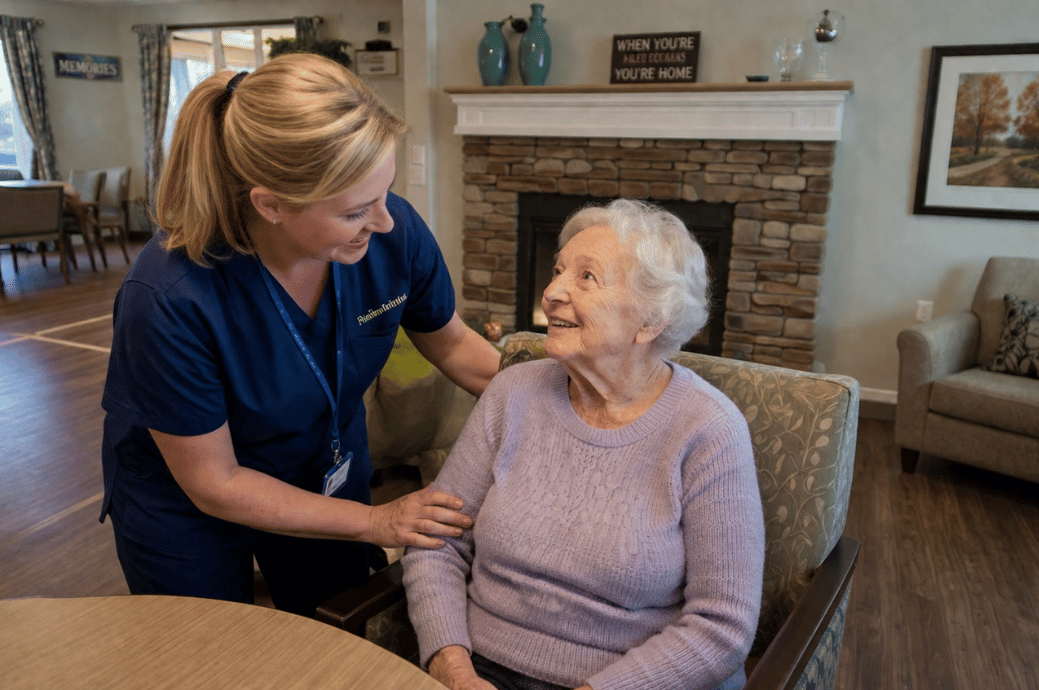
Table of Contents
- What Is Memory Care?
- Who Needs Memory Care and When Is It Time?
- What Services Does Memory Care Provide?
- Memory Care vs. Assisted Living vs. Nursing Homes
- What Are The Benefits of Memory Care?
- What Are The Alternatives to Memory Care?
- How Much Does Memory Care Cost?
- How to Choose the Right Memory Care Community?
- Questions to Ask During a Community Tour
- Frequently Asked Questions
- Find the Right Memory Care Community for Your Family
Memory care is probably a term you never expected to look up, but here you are, and that already says a lot about how much you care. Maybe you've noticed a parent repeating the same story twice in one phone call or a spouse who got lost driving a route they've taken for twenty years. Those moments are unsettling, and they often come with a quiet question: is it time for more help than I can give at home?
That's exactly what memory care is built for. It specializes in senior living for people with Alzheimer's disease, dementia, or other memory-related conditions, combining trained staff, secure surroundings, and daily routines designed around cognitive support. You don't have to figure this out alone, and you don't have to get it perfect on the first try.
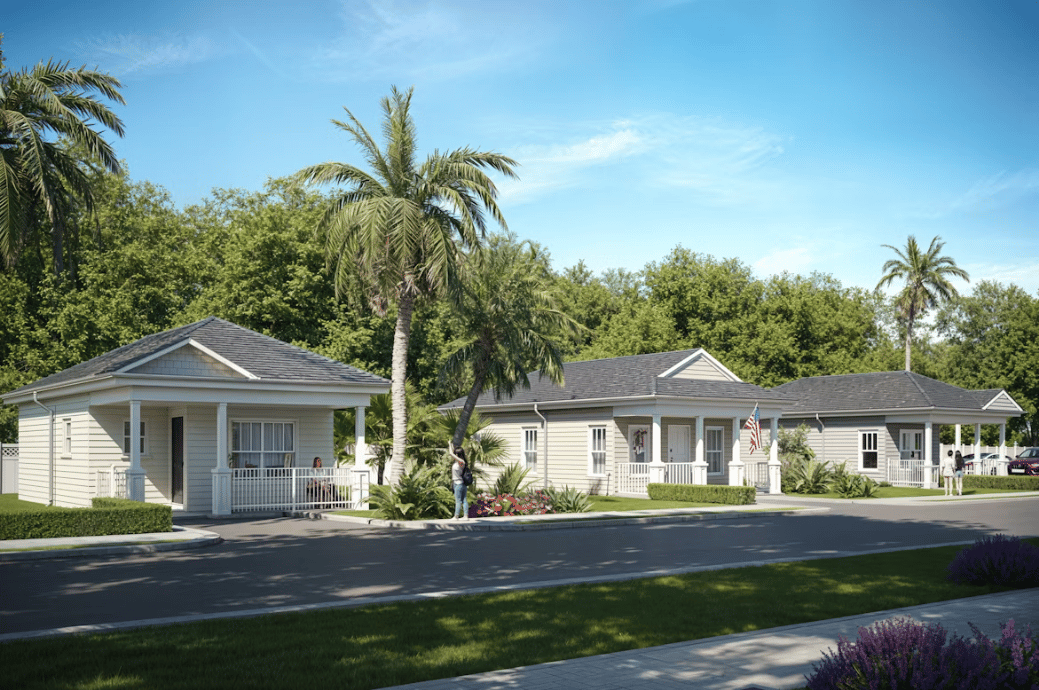
Florida is one of the nation's leading retirement destinations, home to one of the largest populations of older adults in the country. That means memory care is a conversation many Florida families end up having sooner or later, whether they're planning ahead or responding to a sudden change. This guide walks through what memory care actually involves, who it's for, what it costs, and how to choose a community you can feel good about.
What Is Memory Care?
Memory care is a type of long-term senior care built specifically for people living with Alzheimer's disease or other forms of dementia. Unlike general senior living, it focuses entirely on cognitive support, safety, and structured daily routines that reduce confusion and anxiety.
The goal of memory care is simple: help residents maintain dignity, comfort, and as much independence as possible while keeping them safe. Staff are trained specifically to work with cognitive impairment, and the physical environment is designed to prevent wandering and disorientation.
Memory care supports people with a range of conditions, including Alzheimer's disease, vascular dementia, Lewy body dementia, and frontotemporal dementia. It can exist as its own standalone community or as a secured wing within a larger assisted living or nursing facility.
Who Needs Memory Care and When Is It Time?
Deciding when a loved one needs memory care is rarely a single moment. It's usually a gradual realization that home care or standard assisted living can no longer meet their needs safely.
A few common signs point to memory care becoming the safer option:
Wandering away from home or getting lost in familiar places
Forgetting to take medication or take it correctly
Frequent falls or accidents caused by confusion
Difficulty managing personal hygiene, dressing, or meals
Aggression, agitation, or sudden personality changes
A family caregiver who is exhausted, stretched thin, or unable to provide safe supervision
Memory care most often serves people with Alzheimer's disease and other dementias, but it can also support other cognitive conditions where safety and supervision are ongoing concerns. When staying at home starts to feel unsafe rather than comforting, it's usually time to start touring communities.
What Services Does Memory Care Provide?
Memory care communities are staffed and equipped to handle needs that go well beyond typical senior living. Most programs include:
24-hour supervision from staff trained in dementia care
Medication management to prevent missed or incorrect doses
Personal care assistance with bathing, dressing, and hygiene
Specialized cognitive activities, such as memory games and music therapy
Dining assistance, including modified diets and hands-on help at meals
Housekeeping and transportation for errands and medical appointments
Family support programs, including education and support groups
Therapy services, such as physical, occupational, or speech therapy
Skilled nursing care when medical needs increase over time
These services are built around structure. Predictable schedules, consistent staff, and calm environments all help reduce the confusion and anxiety that often come with memory loss.
Memory Care vs. Assisted Living vs. Nursing Homes
Families often confuse memory care with assisted living or nursing homes, but the three serve different needs.
Assisted living is designed for seniors who are largely independent but need some help with daily tasks like bathing, meals, or medication reminders. Staffing is lighter, and the environment isn't typically secured against wandering. It's a good fit for residents without significant cognitive decline.
Nursing homes provide the highest level of medical care, including nursing staff around the clock, wound care, and rehabilitation after surgery or illness. They serve residents with serious physical health needs, and some also care for residents with dementia long-term.
Memory care sits in its own category. It offers more supervision than assisted living but focuses specifically on cognitive rather than general medical needs. Its defining features are secured entrances and exits, staff trained in dementia-specific behaviors, and daily programming built around memory support rather than general wellness.
What Are The Benefits of Memory Care?
Moving a loved one into memory care is rarely an easy decision, but it often brings real relief for both the resident and the family. Key benefits include the following:
Professional care from staff trained specifically in dementia support
A secured environment that reduces the risk of wandering or injury
Structured activities and social engagement that can ease agitation
Personalized care plans covering medication, diet, and daily routines
Relief for family caregivers, who can return to being a spouse, child, or friend instead of a full-time caregiver
Many families say the biggest benefit is peace of mind. Knowing a loved one is safe, engaged, and cared for by trained professionals allows relationships to focus on connection again, not constant worry.
What Are The Alternatives to Memory Care?
Memory care isn't the only option, and it isn't always the right fit at every stage. Depending on the level of need, families sometimes consider the following:
In-home care: A home health aide or companion helps with daily tasks while a loved one stays in familiar surroundings.
Adult day centers: These provide supervised activities and social time during the day, giving family caregivers a needed break.
Respite care: Short-term stays at a care community give family caregivers time to rest, travel, or handle other responsibilities.
Dementia support groups: In-person or online groups connect families with others facing similar challenges and practical advice.
These alternatives can work well in earlier stages of dementia or as a bridge before full-time memory care becomes necessary.
How Much Does Memory Care Cost?
Memory care typically costs more than standard assisted living because of its higher staffing levels and specialized programming. Nationally, memory care runs roughly $6,700 to $8,000 per month, depending on location and level of care needed.
In Florida, the median monthly cost is closer to $5,300 to $5,800, though pricing varies widely by region. Communities in Miami, Naples, and other higher cost-of-living areas often charge $8,000 or more, while cities like Tampa and Jacksonville tend to run closer to $4,500 to $6,000 monthly.
Several factors affect the final price, including room type, staffing ratios, the resident's care level, and whether pricing is all-inclusive or tiered. Ask every community for a full written breakdown of the base rate, care-level fees, and any one-time move-in costs.
Families typically cover memory care costs through a combination of sources:
Private funds, including savings, pensions, and Social Security
Long-term care insurance
Veterans benefits for eligible veterans and spouses
Medicaid programs, in Medicaid-approved facilities where residents qualify
An elder law attorney or local area agency on aging can help families understand which options apply to their situation.
How to Choose the Right Memory Care Community?
Choosing a memory care community is one of the most important decisions a family will make. A few key factors are worth prioritizing during your search:
Staff qualifications: Ask about dementia-specific training and staff-to-resident ratios.
Licensing and inspections: Confirm the community is properly licensed and review recent inspection reports.
Activities and therapies: Look for structured programming, music or art therapy, and outdoor access.
Resident-to-caregiver ratio: Lower ratios generally mean more individual attention.
Family reviews: Talk to other families and read reviews from people with firsthand experience.
When touring, visit at different times of day, including mealtimes, and pay attention to how staff interact with residents. Ask direct questions before signing any contract, including what happens if care needs increase and what costs might change over time.
Questions to Ask During a Community Tour
Bring a list of questions to every tour so you can compare communities fairly. Useful ones to ask include:
Is the community secured, and how is wandering prevented?
What is the staff-to-resident ratio during the day and overnight?
How is medication managed, and who oversees it?
What training does staff receive in dementia-specific care?
How are behavioral changes or emergencies handled?
What happens if a resident's care needs increase over time?
What activities and therapies are offered each week?
Can families visit at any time, and how are updates shared?
Taking notes during each tour makes it much easier to compare communities once you've seen several options.
Frequently Asked Questions
Is memory care only for Alzheimer's disease? No. Memory care supports people with Alzheimer's disease as well as other forms of dementia, including vascular dementia and Lewy body dementia.
Can residents age in place in memory care? Many communities allow residents to stay as care needs increase, though some conditions may eventually require a higher level of skilled nursing care.
What activities are offered? Most communities offer music therapy, art projects, memory games, light exercise, and social events designed around cognitive support.
Can families visit anytime? Policies vary by community, but most memory care communities encourage regular family visits and offer flexible visiting hours.
Is memory care covered by Medicare? Medicare generally doesn't cover the custodial care that makes up most memory care costs, though it may cover certain short-term medical services.
Find the Right Memory Care Community for Your Family
Memory care decisions are personal, and they deserve more than a generic list. Senior Living Communities helps you find licensed, verified memory care communities equipped to support your loved one's specific stage of care. Not sure where to start? Use our Matching Tool and take our free 2-minute quiz to get matched with communities based on care needs, budget, and location. Ready to tour? Our Tour Companion will help you build a custom checklist of questions that matter most to your loved one, so nothing gets missed during a visit.
You may also download the complete guide on How To Choose a Memory Care Facility in Florida to learn what to look for, compare your options, understand costs, and make a confident decision for yourself or your loved one.
Free guide
How to Choose a Memory Care Facility in Florida
What to look for in a memory care facility, how Florida's licensing affects specialized dementia programs, and the questions every family should ask before choosing.
Download the free guide